
What Is XML External Entity Injection? How To Prevent XXE Attacks?
Have you ever wondered how important XML is? And how insecure it can be if XML is parsed in an unsafe way?
Have you ever wondered how important XML is? And how insecure it can be if XML is parsed in an unsafe way?
In the fast-changing digital environment of 2025, it is essential to protect your online assets from Distributed Denial of Service (DDoS) attacks. As cyber threats grow increasingly sophisticated, it is vital to choose a strong DDoS mitigation solution to maintain continuous service and safeguard your organization’s reputation.
Sniping is an OWASP-identified automated threat that is commonly used by attackers to exploit the weaknesses of web applications. This threat involves submitting a request or performing an action at the exact moment that a resource becomes available, in order to gain unauthorized access to sensitive data or resources.
Swagger is the way of defining the structure of APIs (Application Programming Interface). Swagger is specifically developed for REST (Representational State Transfer) APIs, where REST is a Web based API.

The cybersecurity landscape continues to evolve with adversaries deploying new and advanced malware loaders to bypass detection. Recent research has uncovered sophisticated tactics in Hijack Loader, SHELBY malware, and Emmenhtal Loader, showcasing innovative evasion and persistence strategies.
Connectionless Lightweight Directory Access Protocol (CLDAP) is a network protocol used for querying and modifying directory information services, such as Active Directory. It is a lightweight version of the LDAP protocol and is commonly employed in enterprise environments.

Protocol validation is a critical aspect of cybersecurity that involves verifying whether network protocols adhere to industry standards and specifications. Network protocols are sets of rules and guidelines that govern communication between devices on a network.

Input validation is the process of verifying the integrity of data that is received by an application or system. This includes checking that the data is in the correct format, within the expected range of values, and free from any malicious code or characters.
Carding is an automated attack that involves the process of using stolen credit card information to make fraudulent purchases or transactions. This type of cybercrime has become increasingly common in recent years, with attackers using various tactics to obtain and use stolen card information.
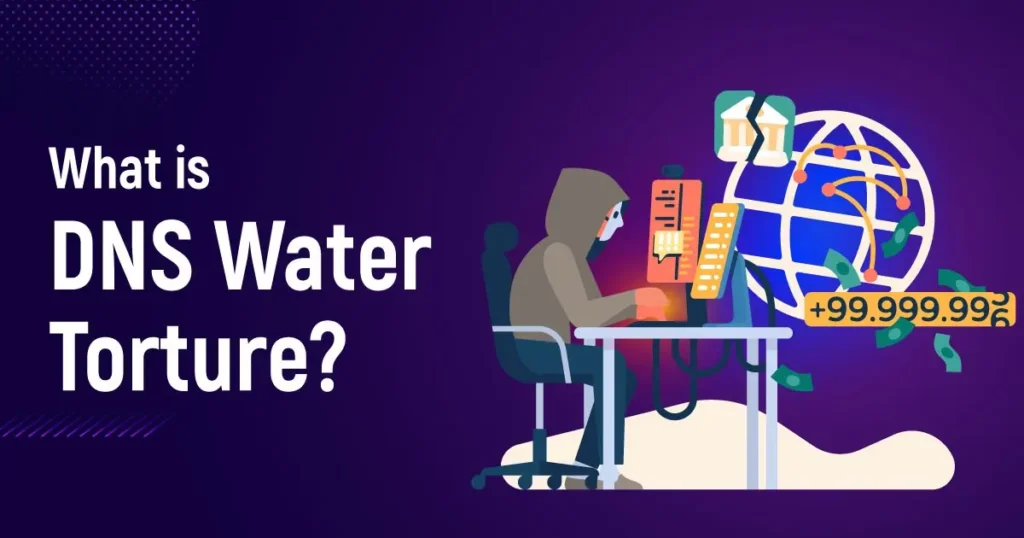
DNS Water Torture is a type of DDoS attack that targets the Domain Name System (DNS), a critical component of the internet infrastructure. Instead of overwhelming the DNS server with a massive flood of requests, this attack employs a slow, steady, and persistent approach, resembling water droplets indirectly eroding a surface.